
The Origins of Casino Myths
The myths surrounding casino games have deep roots, often stemming from a mix of cultural beliefs, misinformation, and exaggerated tales. These narratives have evolved from early gambling practices in ancient civilizations to the dazzling environments of modern casinos. For instance, many people mistakenly believe that games like roulette are entirely based on luck, disregarding the strategies and statistical analyses that can influence outcomes, which is especially relevant for those who explore options such as $10 neosurf deposit casino . This misconception can make newcomers feel intimidated, discouraging them from exploring the rich variety of games available.
Cultural representations in movies and literature have also significantly shaped these myths. Characters depicted as gambling experts often engage in behaviors that suggest a guaranteed path to success, leading the public to believe that luck is the sole determinant of wins and losses. In reality, understanding the underlying mechanics of games can greatly enhance both enjoyment and effectiveness. By demystifying these foundations, we can inspire a healthier perspective on gambling that emphasizes knowledge and strategy over pure chance.
As the internet has revolutionized gambling, new myths have emerged, propagated by online forums and social media. Misconceptions about odds and strategies have become widespread, creating confusion about what players can realistically expect when engaging with online casino games. This digital age has made it essential for players to seek credible information, as misleading narratives can lead to poor decision-making. Addressing the origins of these myths is crucial for fostering a more informed gambling environment where players can approach games with confidence and clarity.
Luck vs. Skill in Gambling
A prevalent myth is that all casino games rely solely on luck, suggesting that players have no control over their outcomes. However, this view oversimplifies the reality of many games where skill can significantly enhance one’s chances of winning. Take poker, for instance; it intricately combines elements of skill and psychology. Players who understand the odds, can read their opponents, and know when to bet or fold are often more successful. This demonstrates that strategic thinking is just as vital as luck in certain games.
Conversely, games like slot machines are frequently perceived as purely luck-based, where outcomes hinge on random number generators. While it’s true that slots offer little in terms of skill, understanding payout percentages and volatility can empower players to make informed choices. This example illustrates that even in luck-dominated games, players can engage in strategies that enhance their overall experience and potential returns. Thus, a nuanced understanding of luck versus skill can enrich a player’s approach to gaming.

Ultimately, recognizing the balance between luck and skill allows players to appreciate the thrill of chance while also enjoying the satisfaction that comes from honing their gaming abilities. By addressing this myth, we create a community of players who are better equipped to navigate the diverse landscape of casino games, enhancing both their enjoyment and understanding of the gaming experience.
The Illusion of ‘Hot’ and ‘Cold’ Streaks
Many gamblers are drawn to the belief in ‘hot’ and ‘cold’ streaks, where they perceive that certain tables or machines are performing better than others over short periods. This belief can lead players to chase perceived winning streaks, convinced that they can predict outcomes based on previous results. In reality, most casino games, particularly those governed by random number generators, operate independently of past outcomes, making the notion of streaks largely an illusion.
This myth can profoundly impact betting behaviors and decision-making processes. For example, a player might continue wagering on a particular roulette table, convinced that a winning streak will persist, when in fact, each spin is statistically independent of the previous ones. By understanding the randomness inherent in gambling, players can make more rational decisions and reduce reliance on misleading superstitions. This knowledge encourages a more informed and strategic approach to betting.
It is essential to challenge the myth of streaks to promote responsible gambling practices. Recognizing that outcomes are not interconnected allows players to approach casino games with a clearer mindset. This understanding can enhance the overall enjoyment of the gaming experience, encouraging more deliberate and strategic decisions rather than impulsive bets driven by misconceptions. By fostering a rational perspective, players can enhance their gaming experience and make more responsible choices.
The House Edge and Misunderstandings
One of the most enduring myths in the casino world is the misunderstanding of the house edge, which represents the built-in statistical advantage that casinos hold in games. Many players assume that the house edge is a fixed percentage that guarantees losses over time. While it is true that the house edge ensures the casino’s profitability, it does not dictate short-term outcomes for individual players. This means that, in the short term, players can experience wins, even in games with a higher house edge.
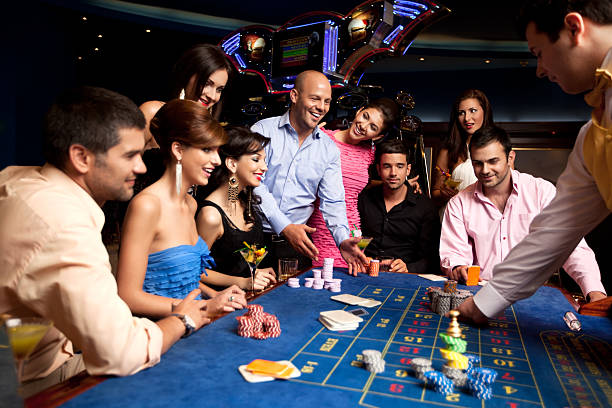
Understanding the house edge can empower players to make more educated decisions about which games to play and how to manage their bankroll effectively. For instance, games like blackjack typically offer a lower house edge compared to slot machines, which can lead to more extended gaming sessions and better winning potential. A solid grasp of these concepts encourages responsible gaming, allowing players to enter the casino with realistic expectations and a focus on enjoyment rather than solely on profit.
Furthermore, this myth can create a defeatist attitude among players, causing them to believe that winning is impossible. By demystifying the house edge, players can approach their gaming experiences with a healthier mindset, focusing on the fun of the game rather than viewing every session strictly through the lens of profit and loss. Challenging this belief can contribute to a more positive gaming environment, where players feel motivated to engage responsibly and enjoy the experience.
Where to Find Accurate Information on Casino Games
In a landscape filled with myths and misinformation, finding accurate and reliable information about casino games is paramount for prospective players. Numerous resources are available online, including educational articles and video tutorials that provide insights into various games and strategies. Additionally, reputable gambling sites often feature sections dedicated to explaining how their games work, breaking down rules, odds, and player strategies. By seeking out these credible sources, players can debunk myths and enhance their understanding of casino games.
Engaging in community forums can also be beneficial; however, it is essential to approach these discussions critically. While many players share genuine insights and experiences, there is also a risk of misinformation spreading. When participating in discussions, players should cross-reference information with reliable educational resources to ensure accuracy. This active engagement fosters a culture of learning, encouraging players to challenge misleading narratives surrounding casino games and to seek out the truth.
Ultimately, responsible and informed gaming requires a commitment to continuous learning. As players delve deeper into the intricacies of their favorite games, they not only enhance their enjoyment but also expand their knowledge of the gambling world. Taking the time to educate oneself on casino games contributes to a more enjoyable and responsible gaming experience, effectively dispelling the myths that have long surrounded this vibrant entertainment industry.